Compare the length, contrast, upkeep and grow-out of fades and tapers before choosing your next haircut.
The difference in one sentence
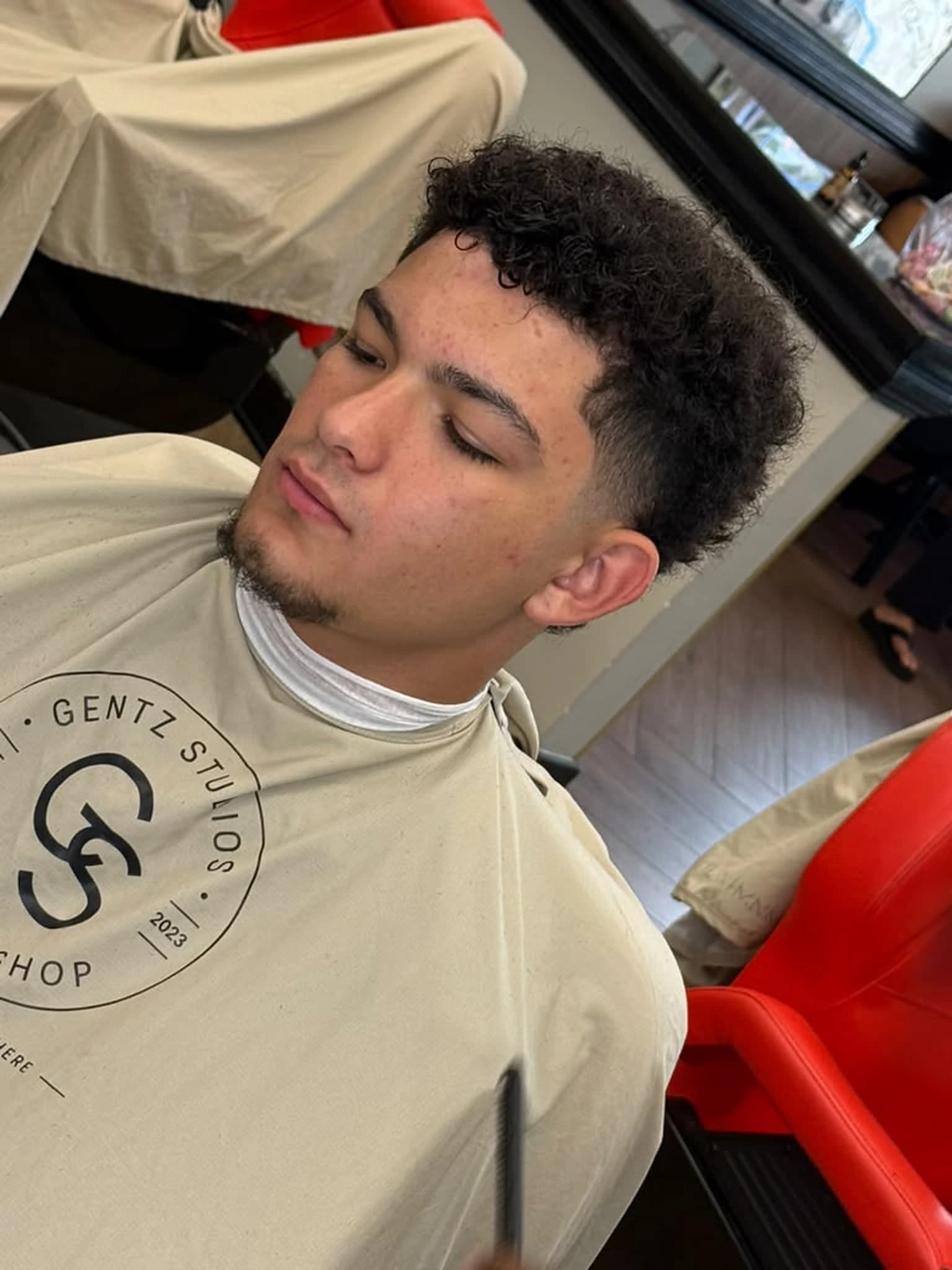
A taper gradually shortens the hair around the sideburns and neckline while leaving more length through the sides. A fade removes more weight and usually blends much closer to the skin over a larger area of the head. Both rely on a smooth transition; the difference is how high the transition travels and how much contrast it creates.
The words are sometimes used loosely, so a photo is more reliable than a label alone. Show the barber where you want the shortest point and how much darkness you want to keep above it.
Low, mid and high fades
A low fade keeps the strongest transition near the ear and neckline, preserving more weight around the head. A mid fade places the change closer to the temple area, while a high fade removes weight farther up the sides. None is automatically better. The right height depends on head shape, hair density, top length and the contrast you prefer.
A skin fade describes the shortest length at the bottom, not the height. You can have a low skin fade or a high skin fade, which is why discussing both height and shortest length prevents confusion.
What a taper looks like
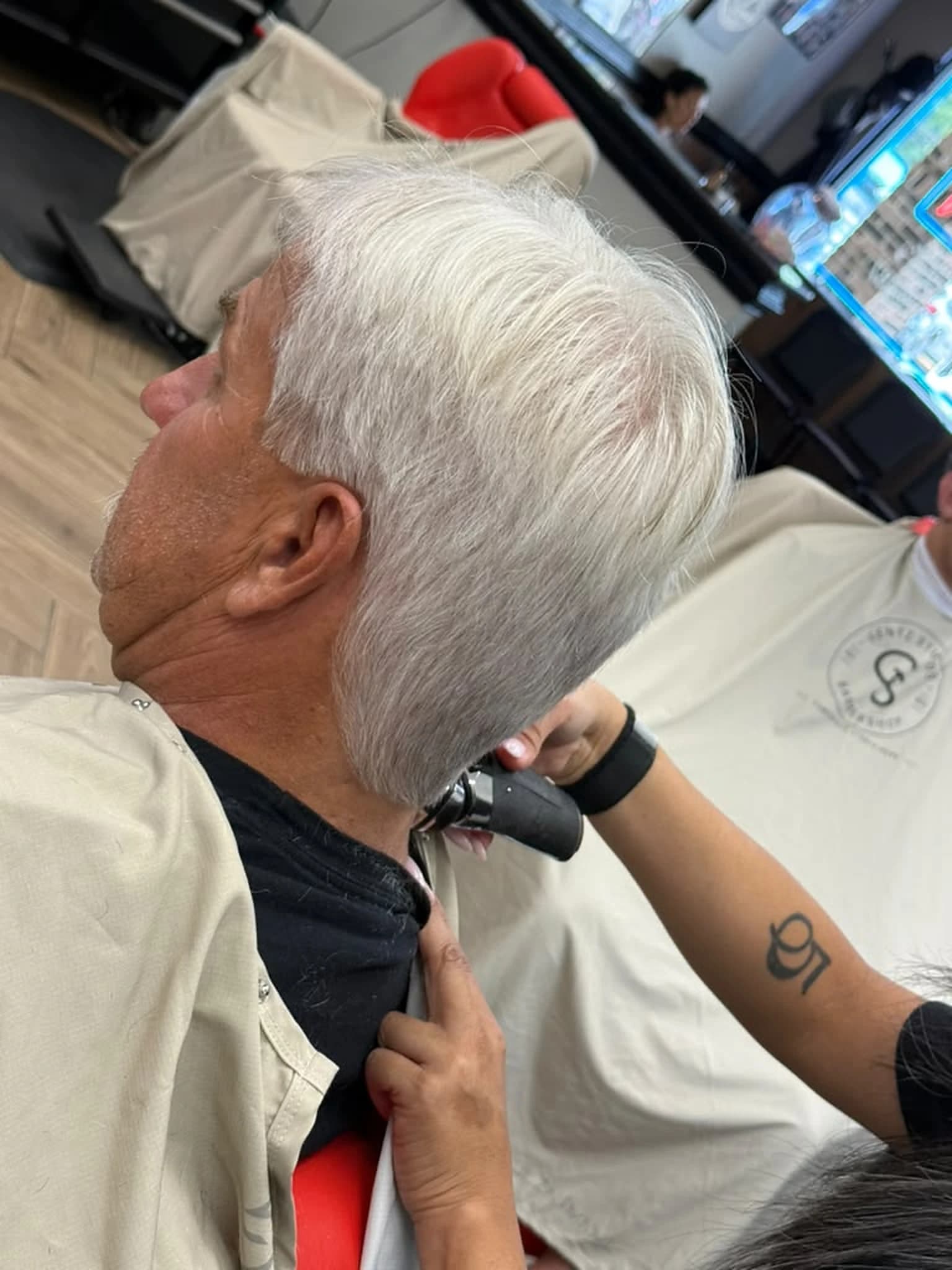
A traditional taper is more conservative. The hair becomes shorter at the sideburns and nape without exposing a large area of skin. It can work well for school, office and formal settings because the overall silhouette stays structured as it grows. A temple taper focuses the blend near the temples, and a neckline taper keeps the cleanup concentrated at the back.
If you like a natural outline and do not want the sides taken extremely short, ask to see examples of a low taper or classic taper.
Maintenance and grow-out
Higher contrast makes new growth easier to notice. A skin fade can lose its freshly cut look sooner because even a few millimeters of growth soften the transition. A taper often grows out more gradually and may give you greater flexibility between appointments. Your personal schedule still depends on growth rate, workplace expectations and how sharp you like the perimeter.
Rather than following a universal calendar, notice when the sides begin to feel bulky, the transition loses shape or styling the top becomes harder.
How to choose at the consultation
Bring one front view and one side view of a haircut you like. Tell the barber whether you want skin visible, where the blend should begin and how often you realistically plan to return. Also mention cowlicks, sensitive areas or a previous fade that felt too high.
The final recommendation should connect the sides to the top, hairline and facial hair. At Gentz Studios, the consultation is the right moment to adapt the reference to your texture and maintenance routine rather than copying it without adjustment.
Your barber can adapt these general tips to your hair, beard and maintenance routine during a consultation.