Learn what changes as a fade grows, when a cleanup helps and what you can safely manage at home.
Why a skin fade changes quickly
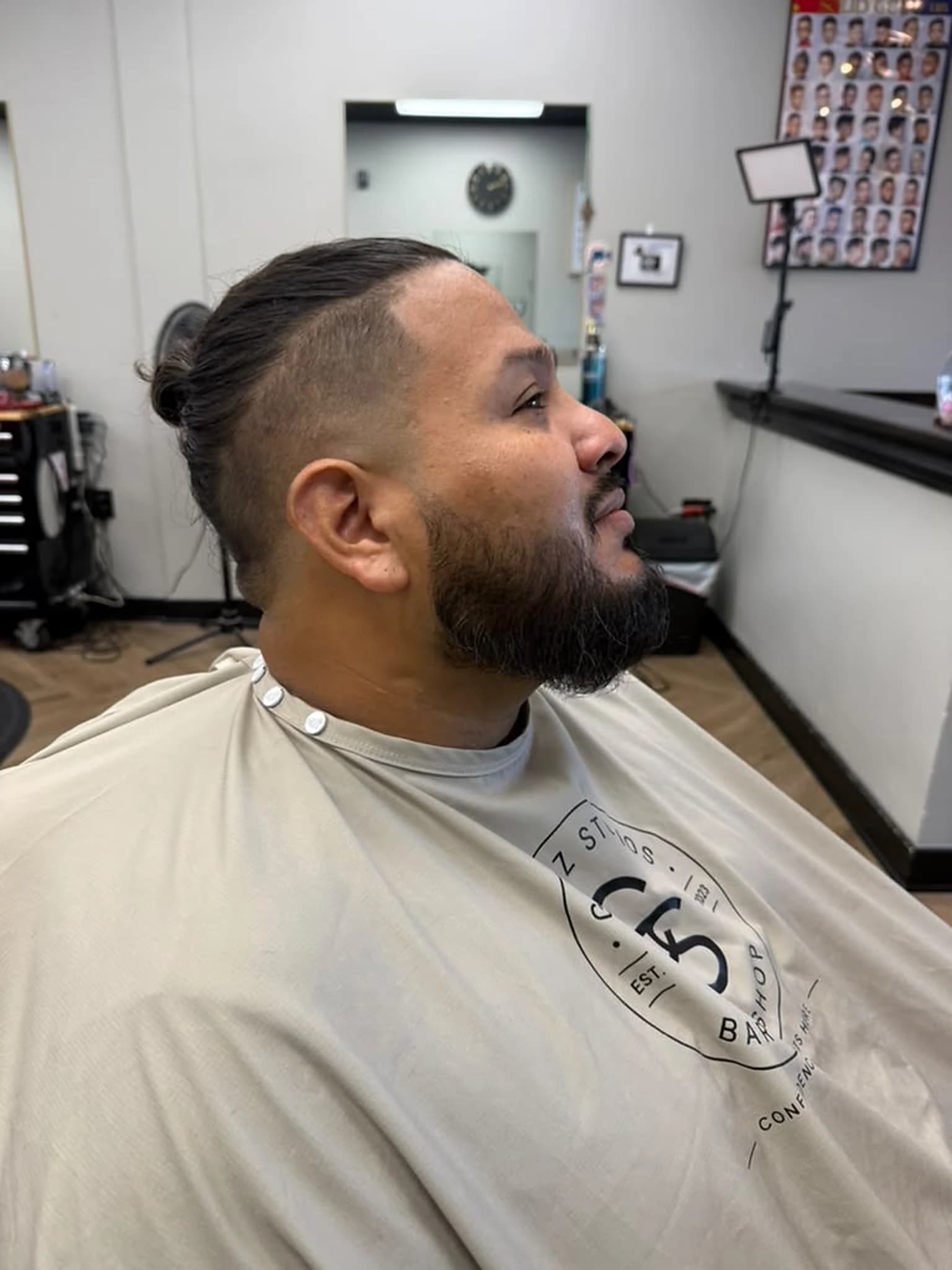
A skin fade depends on a strong transition from bare or nearly bare skin into visible length. As the shortest section grows, the contrast becomes softer and the outline near the ear and neck looks less defined. This does not mean the haircut is suddenly bad; it means the most precise part of the design is naturally temporary.
Growth rate varies, so compare your cut to the finish you prefer rather than someone else’s schedule.
Know when you need a cleanup
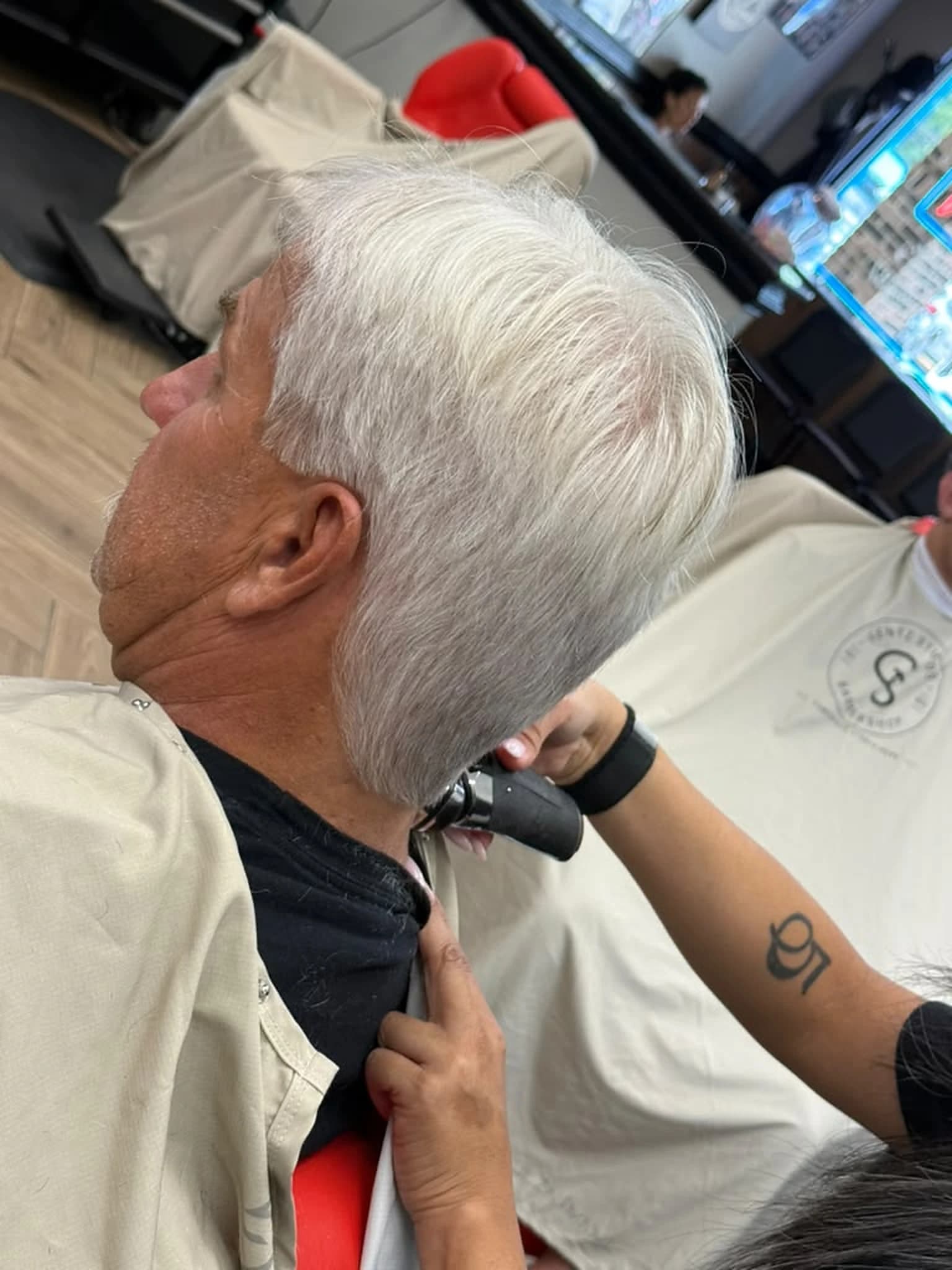
Look for three signs: the lower blend no longer reads clearly, the hair around the ears begins to push outward, or the neckline loses its intended shape. Some clients maintain a sharp fade frequently, while others let it soften into a more natural short cut.
A cleanup may focus on the perimeter and lower transition. A full haircut is more appropriate when the top and sides have also lost balance.
Wash and style without fighting the cut
Keep the scalp clean with a routine suited to your hair and skin. After washing, dry the hair in the direction you want it to sit. Use a small amount of product on the longer sections instead of coating the shortest faded area. Heavy buildup can make the transition look darker and reduce the clean visual effect.
If the scalp becomes irritated, avoid aggressive scrubbing or adding multiple new products at once.
Be careful with home edge-ups
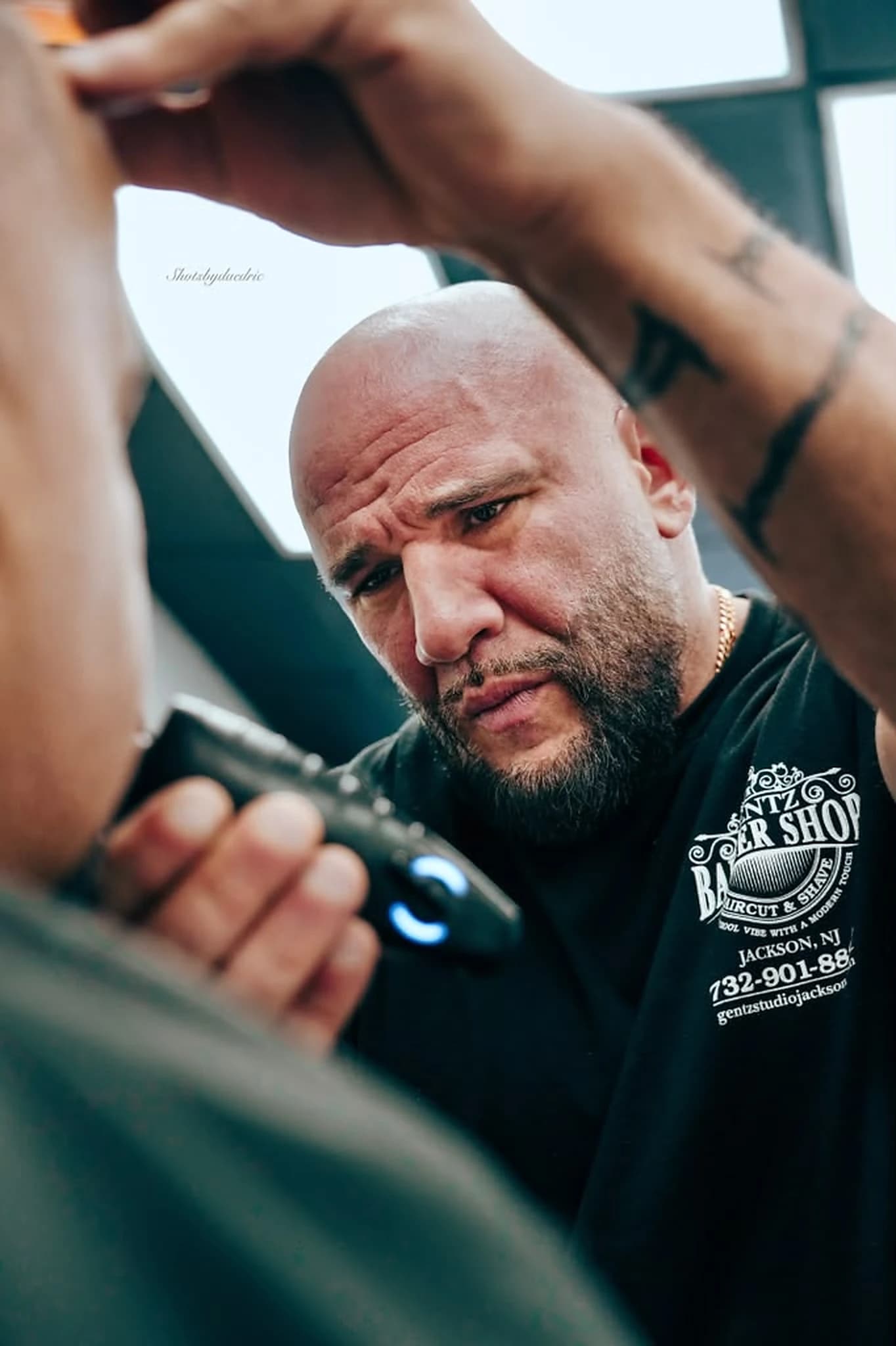
Trying to redraw the hairline or neckline can turn a small maintenance task into a shape that is difficult to correct. Trimmers can remove more than expected, especially around curves and behind the ears. Keep home care conservative and avoid moving the natural line higher each time.
If crisp edges are important to you, a professional cleanup protects the proportions of the original cut.
Plan the next appointment
Use the first haircut as a baseline. Notice the week when you stop liking the transition, when styling takes longer or when your work or school routine calls for a fresher finish. Share that observation at the next visit.
Your barber can suggest whether you need a lower-maintenance fade, a taper that grows more softly or a regular cleanup rhythm that matches your preference.
Your barber can adapt these general tips to your hair, beard and maintenance routine during a consultation.